Marine Meteorological Network Solution

Build a distributed marine weather network around the current AeroSense instruments, from bridge displays and alarms to offshore wind and weather stations.

What's the Problem?

Marine operations depend on local wind and weather awareness, especially where coastal geography and built infrastructure make conditions highly site-specific.

  • Regional forecast products do not always reflect the exact operating point
  • Teams need consistent wind and weather visibility across multiple marine sites
  • Alarm and display needs vary between ports, coastal stations and offshore assets
  • Historical records are important for safety review and project planning
What's the Challenge?

Weather networks have to fit very different environments, from shore stations and port structures to exposed offshore buoys.

  • Some sites need simple alarm and display functions while others need full stations
  • Wind sensors must stay dependable in corrosive marine environments
  • Offshore nodes need stronger autonomy and telemetry
  • Teams need a network view instead of isolated single instruments

Our Solution

Zenocean packages mechanical and ultrasonic wind sensors, weather stations, alarm displays and offshore platforms into a scalable marine meteorological network.

  • Choose the right AeroSense instrument by site and operating need
  • Combine shore-based displays with offshore autonomous stations
  • Centralize data streams for alerting and review
  • Scale from a few priority nodes to a corridor-wide or region-wide network

How Zenocean Delivers the Meteorological Network Solution

AeroSense-MetStation weather system

1. Select the Sensing Layer

Use ultrasonic, propeller or integrated station products depending on exposure, maintenance and data needs.

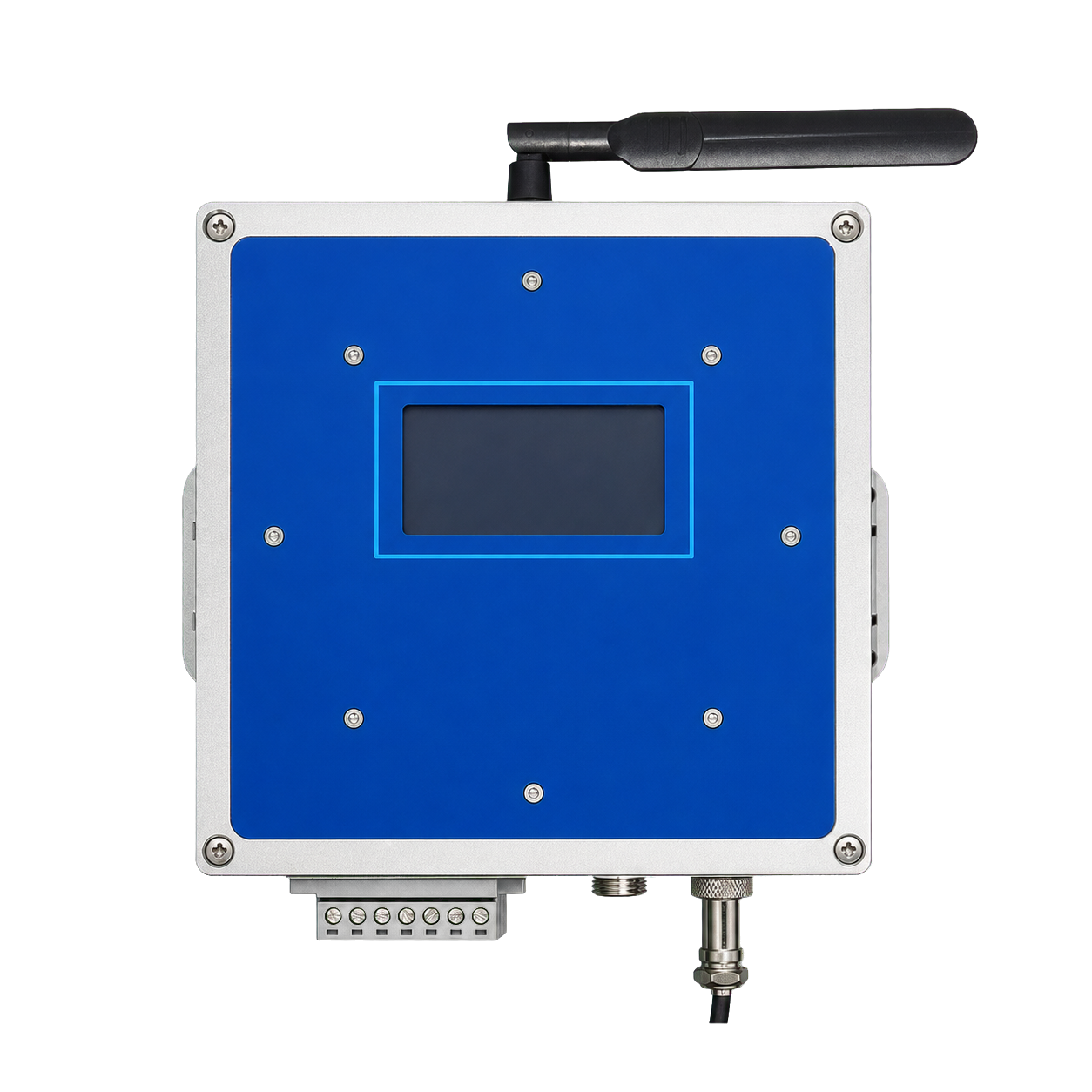
AeroSense-Alert controller

2. Add Local Alarms and Displays

AeroSense-Alert and MarineBridge help crews act immediately at operating locations without waiting for remote dashboards.

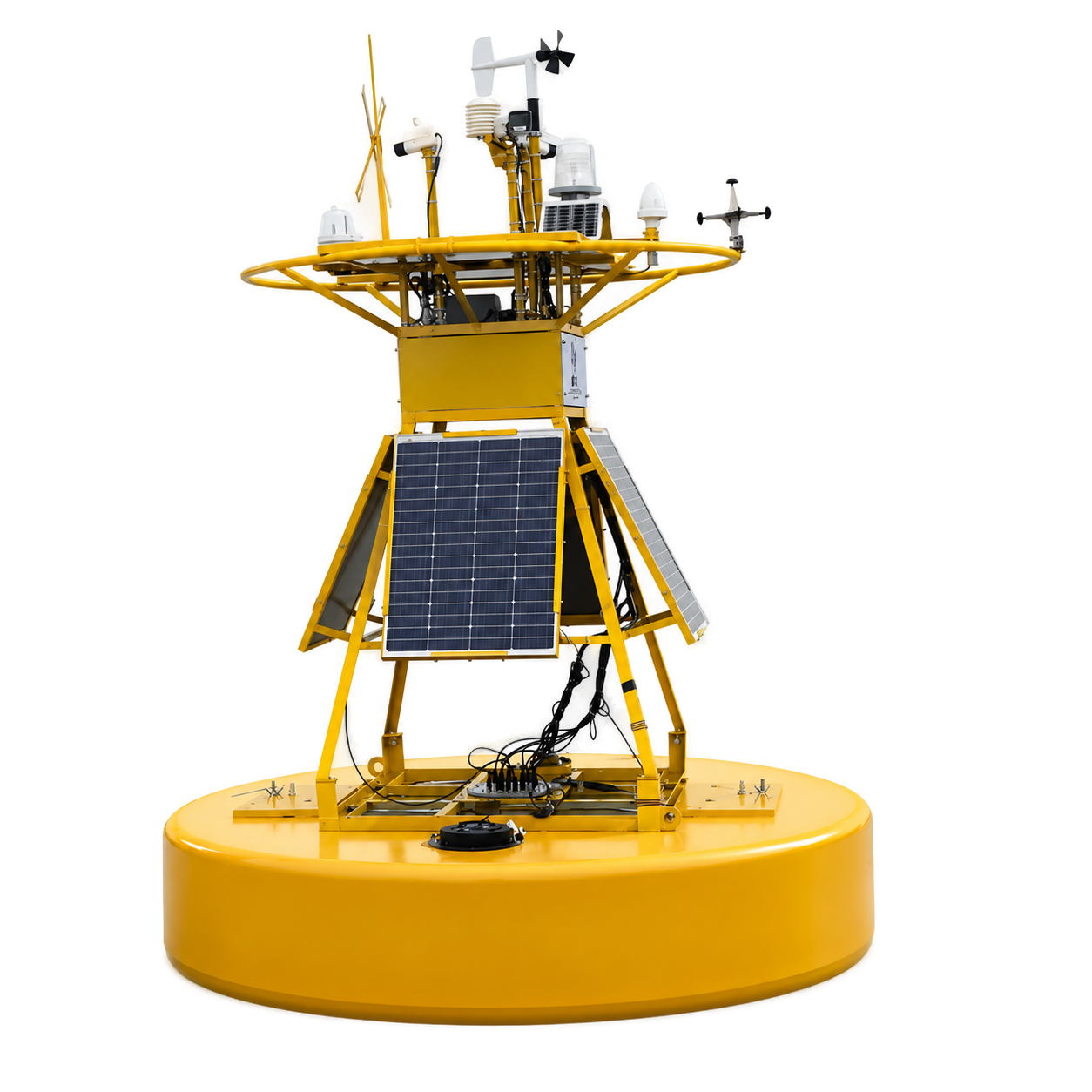
OceanStation offshore weather buoy

3. Extend Offshore Coverage

OceanStation provides the autonomous offshore node where buoy-based weather measurement is required.

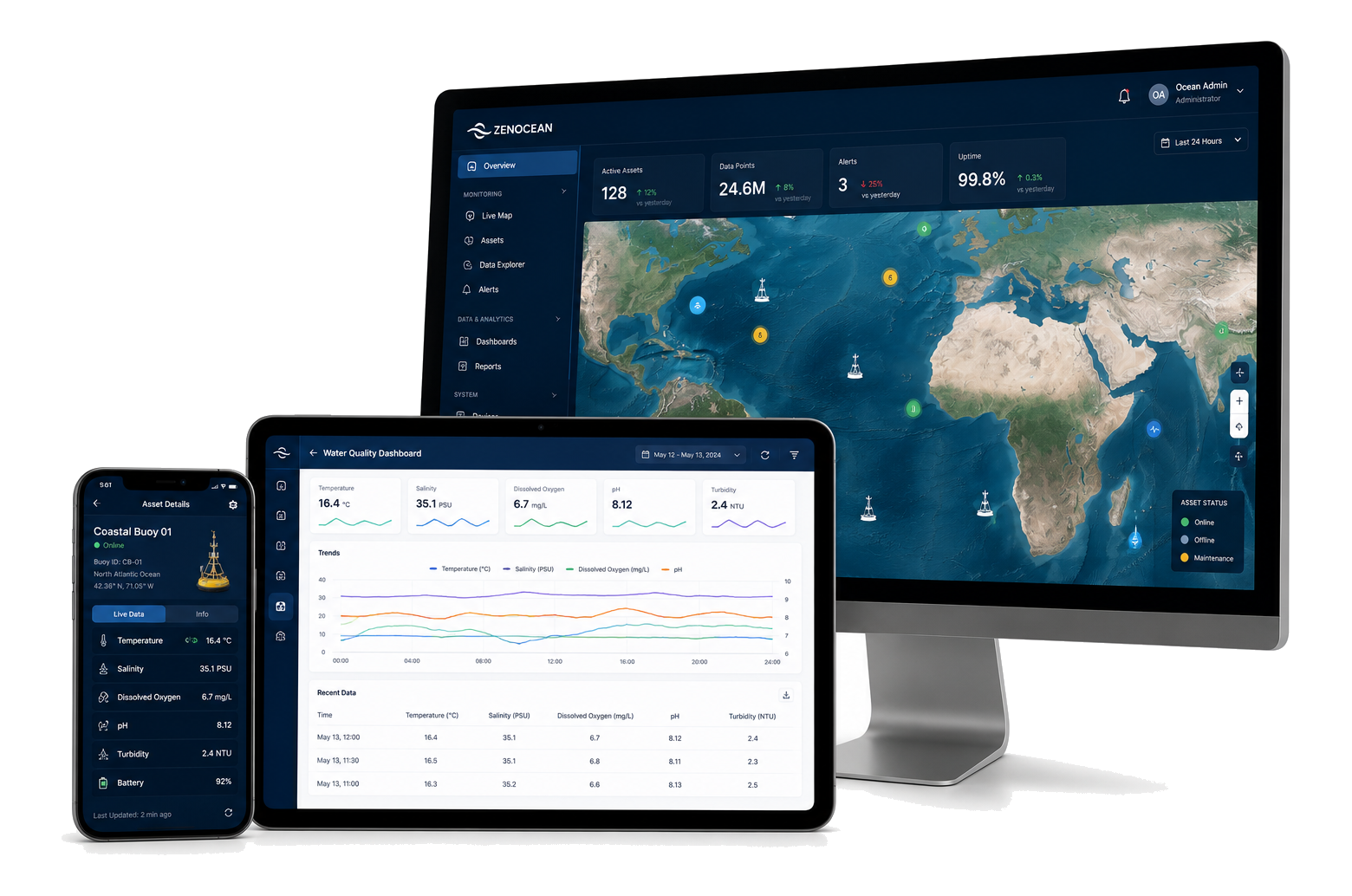
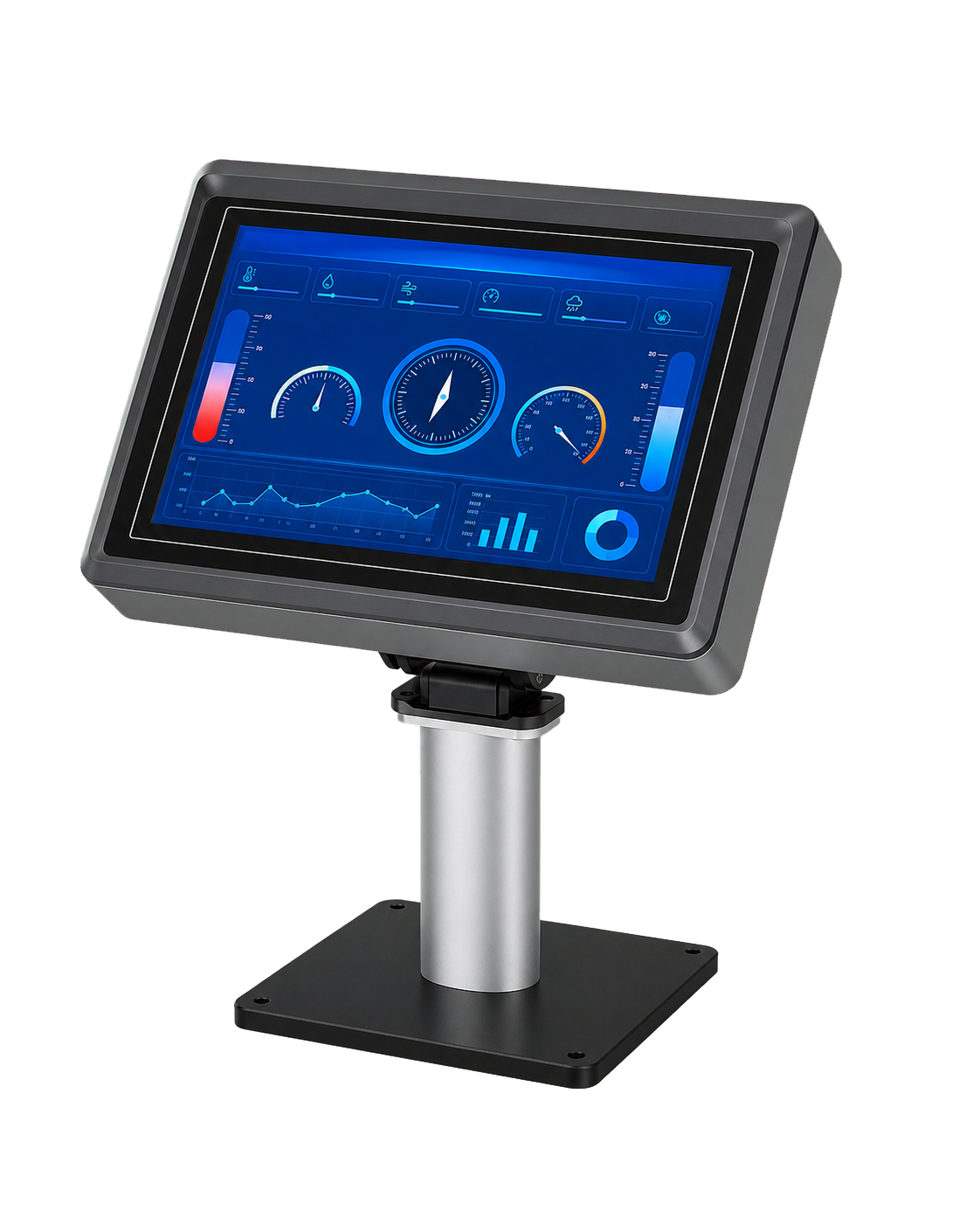
Marine weather network dashboard

4. Centralize the Network

Shared dashboards and telemetry connect all marine weather nodes into one operational and reporting view.

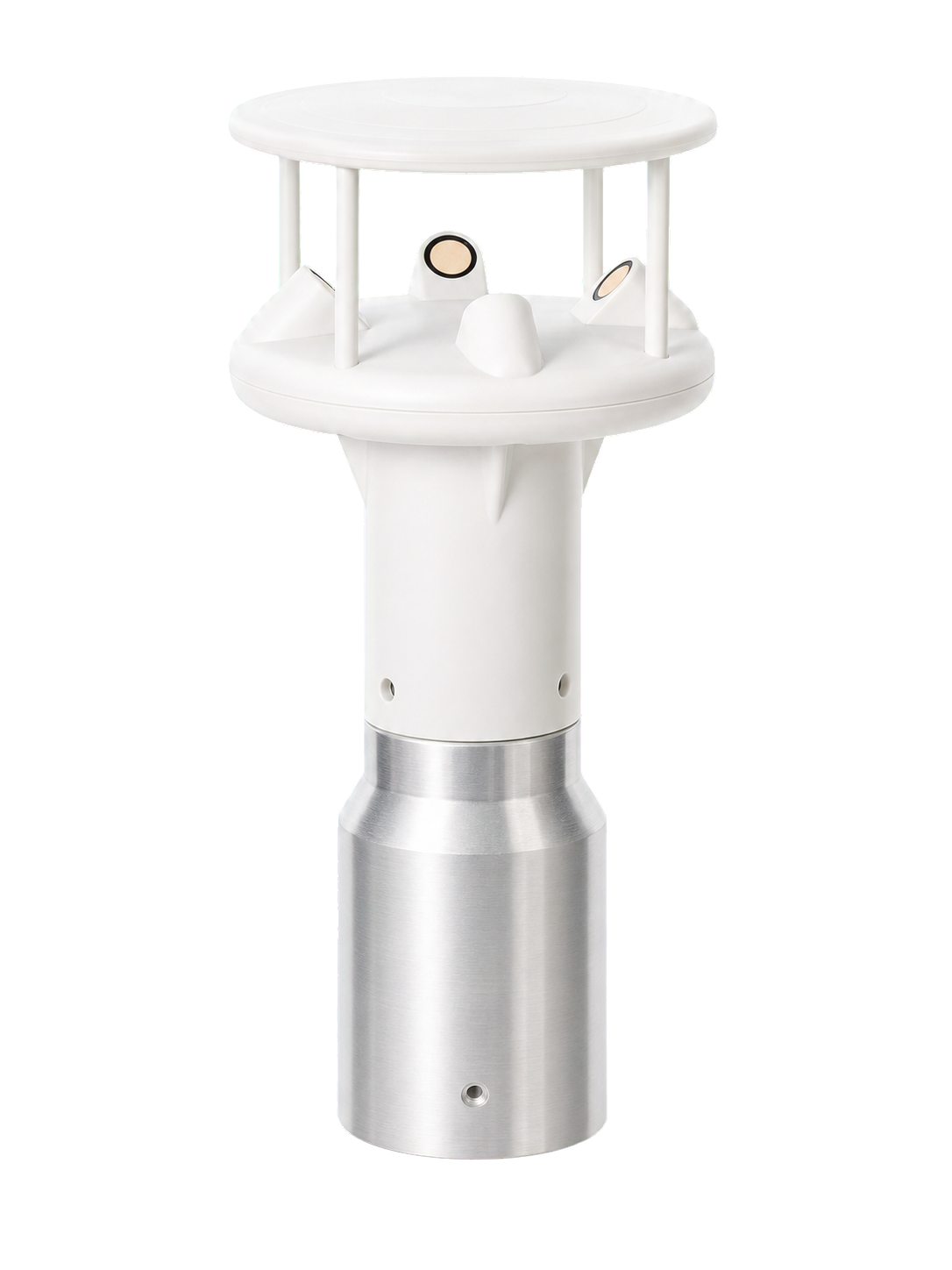
AeroSense-UWS wind sensor

5. Improve Marine Awareness

Operators can review conditions by site, compare nodes and react faster to local hazards or weather shifts.

Why This Stack Fits Marine Weather Networks

Marine meteorological programs rarely use one instrument type everywhere. The current AeroSense range already supports a tiered network design.

Tiered Site Design

Use compact alarms, full stations or offshore buoys depending on the location.

Operational Weather Visibility

Teams get local conditions where they work instead of relying on distant proxies.

Unified Weather Records

Centralized reporting helps with review, planning and network-wide analysis.

Expandable Network Footprint

Grow from a few high-priority nodes to a distributed marine weather network.

Need a distributed marine weather network design?

We can match the current AeroSense products to shore, harbor and offshore monitoring nodes.